Reasons Professional Irrigation Services Matter for Lawn Health
A healthy lawn depends on more than sunlight, mowing, and occasional rainfall. Water availability plays a central role in supporting grass roots, maintaining consistent growth, and helping turf withstand periods of heat or environmental stress. However, simply applying water does not guarantee good results. The timing, distribution, and overall performance of an irrigation system can significantly affect how efficiently a landscape receives the moisture it needs.
The scale of residential landscaping makes effective watering particularly relevant. According to LawnStarter, residential lawns cover an estimated 40 to 50 million acres across the United States. With such a substantial amount of land devoted to residential turf, appropriate irrigation practices can influence both individual lawn health and broader water-use considerations.
Promoting More Consistent Water Distribution
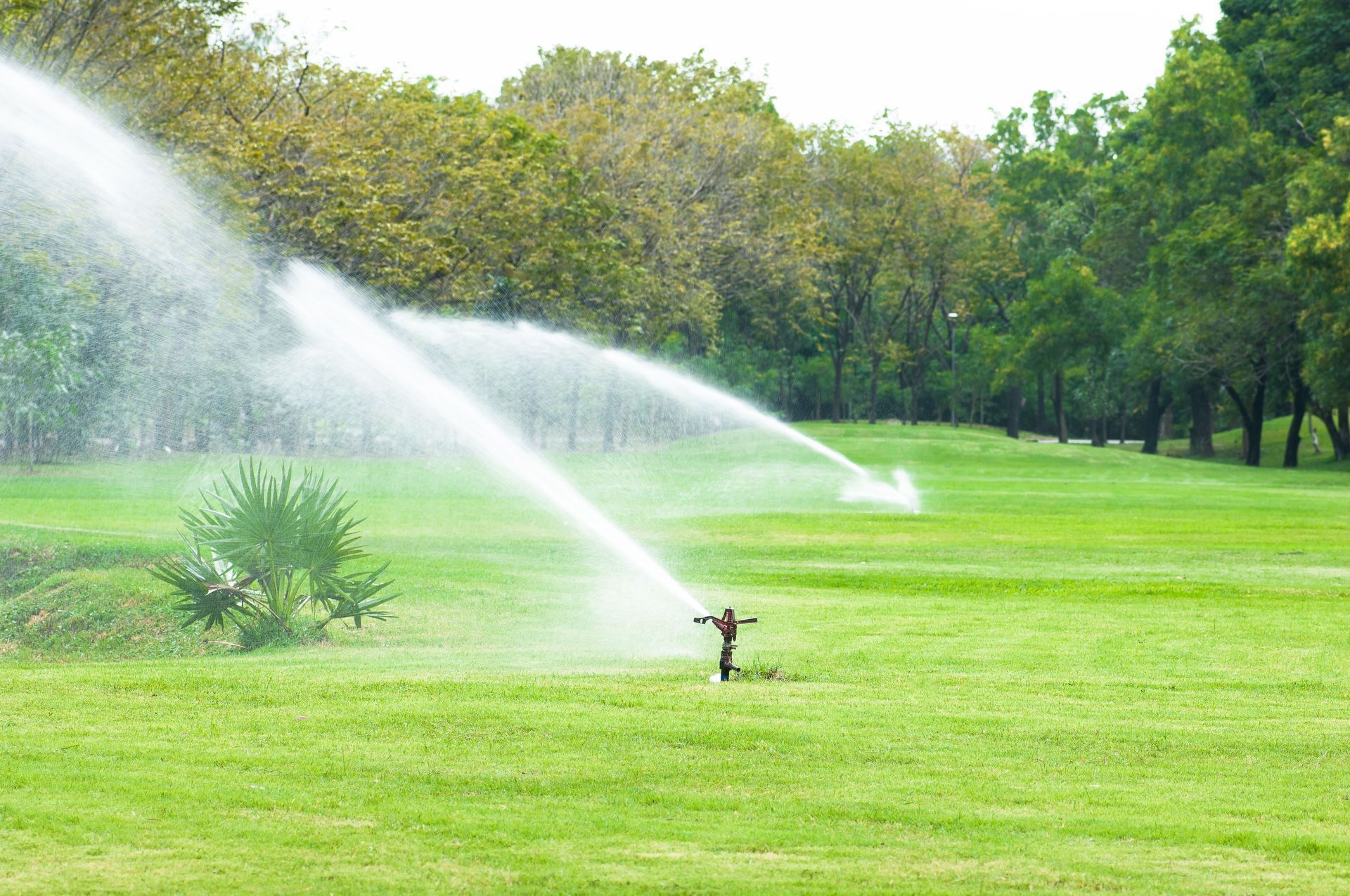
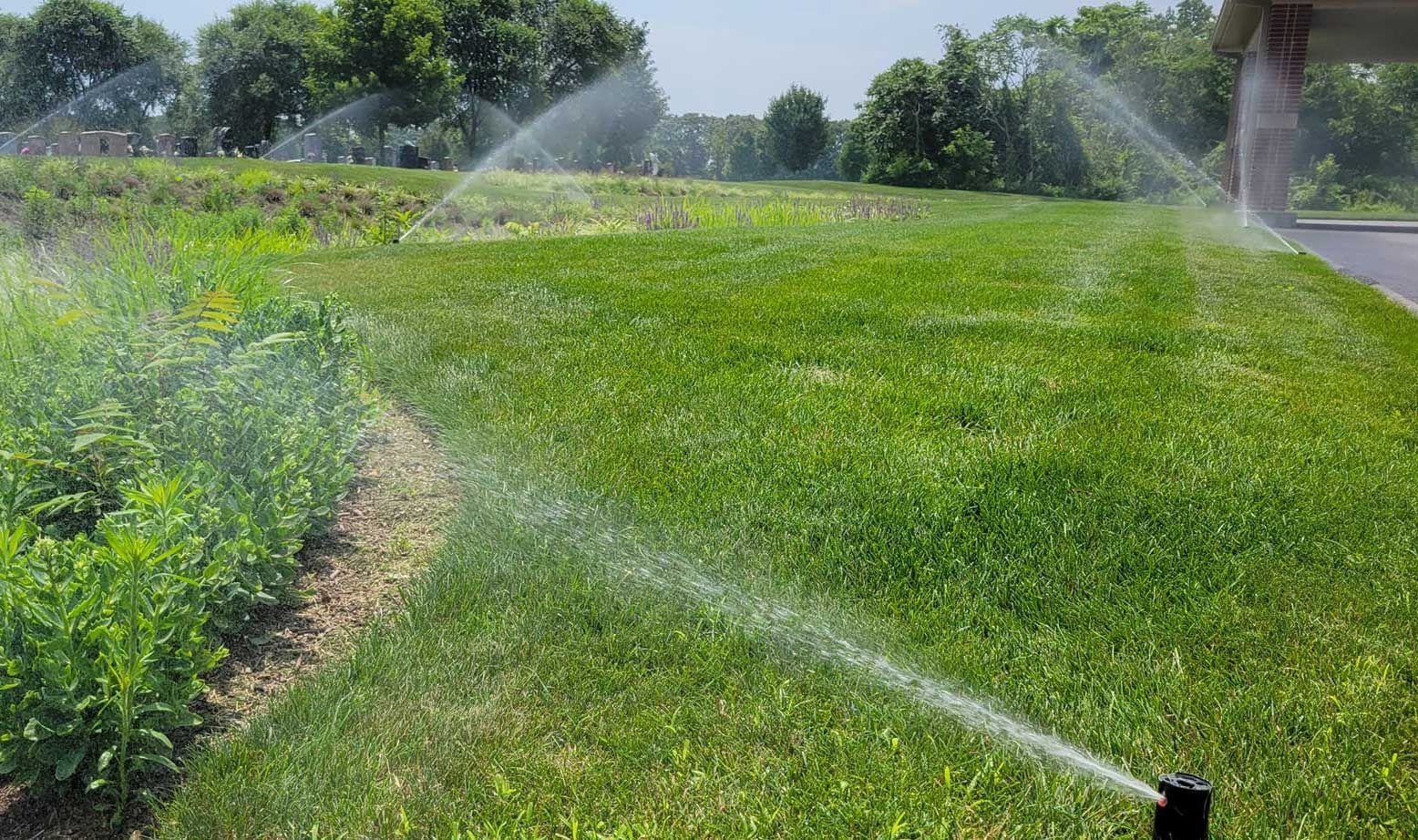
One of the primary purposes of an irrigation system is to distribute water evenly throughout the landscape. When coverage is inconsistent, some sections of grass may receive sufficient moisture while neighboring areas remain dry. Other locations may receive excessive water, creating conditions that are equally undesirable for turf health.
Sprinkler positioning, water pressure, nozzle performance, landscape design, and changing plant growth can all influence coverage. A system that originally distributed water effectively may perform differently as landscaping matures or components experience normal wear.
A professional irrigation service can assess overall system performance and identify areas where distribution has become inconsistent. Correcting coverage concerns helps create more uniform growing conditions across the property. Rather than repeatedly compensating for visible dry areas with additional watering, appropriate system performance allows moisture to reach the intended areas more reliably.
Supporting Stronger Root Development
Healthy turf depends heavily on what happens beneath the visible grass blades. Roots absorb moisture and nutrients from the soil, making their condition an important factor in overall lawn performance. Irrigation practices can influence how roots develop and how effectively grass responds to changing weather conditions.
Improper watering patterns may create conditions that interfere with healthy root development. Excessive moisture can leave soil persistently saturated, while inadequate irrigation can place grass under unnecessary stress. Both situations may affect the lawn’s ability to maintain vigorous growth.
Professional irrigation management focuses on delivering water in a manner suited to the landscape rather than treating every property exactly the same. Soil characteristics, grass conditions, sun exposure, drainage, and other site-specific factors can influence moisture requirements.
Reducing Unnecessary Water Waste
Water that does not reach the intended landscape area provides little benefit to the lawn. Misaligned sprinkler heads, damaged components, leaks, excessive runoff, and inefficient coverage can all contribute to unnecessary water use. Some problems may be immediately visible, while others can continue unnoticed for extended periods.
For example, a malfunctioning component may direct water toward pavement instead of grass. Poor distribution may also cause property owners to increase watering in an attempt to correct dry patches, even though other sections are already receiving adequate moisture.
A professional irrigation service can identify system conditions that contribute to inefficient water use. Addressing those concerns allows the system to direct more of its output toward the areas where moisture is actually needed.
Preventing Problems From Overwatering
More water does not automatically produce healthier grass. Excessive irrigation can create persistent moisture conditions that interfere with normal lawn performance. Saturated soil may limit the amount of oxygen available around grass roots and can contribute to weak or stressed turf.
Overwatering can also create runoff, puddling, and consistently wet areas within the landscape. These symptoms may indicate that water is being applied faster than the soil can absorb it or that certain zones are receiving more moisture than necessary.
Because symptoms of watering problems can sometimes resemble other lawn concerns, professional evaluation can provide useful context. An irrigation service can examine system operation alongside visible landscape conditions to determine whether irrigation performance may be contributing to the problem.
Managing excessive watering requires attention to the entire system rather than focusing solely on individual sprinkler heads. Coverage, pressure, scheduling, soil conditions, and drainage can interact with one another. Professional oversight helps ensure these factors are considered together when evaluating lawn moisture.
Identifying System Problems Earlier
Irrigation systems contain multiple components that must work together to deliver water throughout a landscape. Over time, normal wear, accidental damage, shifting soil, landscaping activity, and environmental exposure can affect their operation.
Some failures are obvious, such as a visibly damaged sprinkler head. Others are less noticeable. A minor leak, partially obstructed nozzle, pressure problem, or poorly performing zone may affect irrigation long before the issue becomes immediately apparent.
Routine attention from an irrigation service can help uncover these developing concerns before they significantly affect lawn appearance or system efficiency. Earlier identification may also prevent property owners from responding to symptoms without addressing the underlying irrigation problem.
For instance, an isolated dry area does not necessarily mean the entire lawn needs additional water. The issue could be related to distribution or equipment performance. Professional assessment helps distinguish between broader watering needs and localized system concerns, allowing irrigation decisions to be based on actual conditions.
Adapting Watering to Landscape Conditions
Landscapes are not static environments. Seasonal weather patterns change, plants mature, shade patterns shift, and soil conditions can vary throughout a property. These differences mean irrigation needs may change even when the physical system remains largely the same.
Areas exposed to prolonged sunlight may behave differently from shaded portions of the lawn. Sloped sections may experience runoff differently from level areas, while variations in soil composition can affect how quickly moisture is absorbed and retained.
A professional irrigation service can consider these differences when evaluating system performance. This site-specific perspective is important because uniform watering does not always produce uniform results.
Professional management allows irrigation to respond more appropriately to the actual landscape rather than operating without regard for changing conditions. When watering patterns better reflect the environment, grass can receive more suitable moisture while avoiding unnecessary irrigation in areas that do not require it.
Protecting Long-Term Landscape Health
Irrigation affects more than the lawn’s immediate appearance. Repeated periods of excessive or inadequate moisture can influence turf condition over time. A system that consistently performs poorly may contribute to recurring dry areas, oversaturated soil, uneven growth, or unnecessary stress.
Professional irrigation management provides an opportunity to evaluate watering as part of ongoing landscape care. Instead of waiting until significant symptoms appear, property owners can address system performance as conditions evolve.
An irrigation service can also help maintain consistency as weather patterns and landscape characteristics change. This ongoing attention supports a more balanced approach to lawn care in which water is treated as an important resource that must be distributed appropriately.
A well-performing system cannot eliminate every challenge affecting a lawn, since turf health also depends on factors such as soil, weather, maintenance, and plant characteristics. However, dependable irrigation can provide a stronger foundation for maintaining healthy grass and supporting the broader landscape.
Maintaining Healthier Lawn Conditions
Professional irrigation care matters because lawn health depends on receiving suitable moisture in the right areas. Consistent distribution, appropriate watering patterns, efficient system performance, and timely identification of problems can all contribute to healthier growing conditions.
An irrigation service provides professional oversight that goes beyond simply turning sprinklers on and off. By considering equipment performance together with landscape conditions, irrigation professionals can help property owners understand whether their systems are delivering water effectively.
Maintaining irrigation equipment and evaluating changing landscape needs can also reduce the likelihood that small system concerns will develop into persistent watering problems. When irrigation works as intended, homeowners are better positioned to support their lawns without relying on unnecessary watering or reacting only after visible stress appears.
Maintaining Your Irrigation System With Professional Support
Healthy lawns benefit from irrigation systems that distribute water consistently and operate according to the needs of the surrounding landscape. At P&G Irrigation, we help property owners evaluate irrigation performance, address system concerns, and maintain dependable watering throughout their landscapes. Contact us to learn more about how our professional irrigation service can support the long-term health and efficiency of your lawn.

Share On: